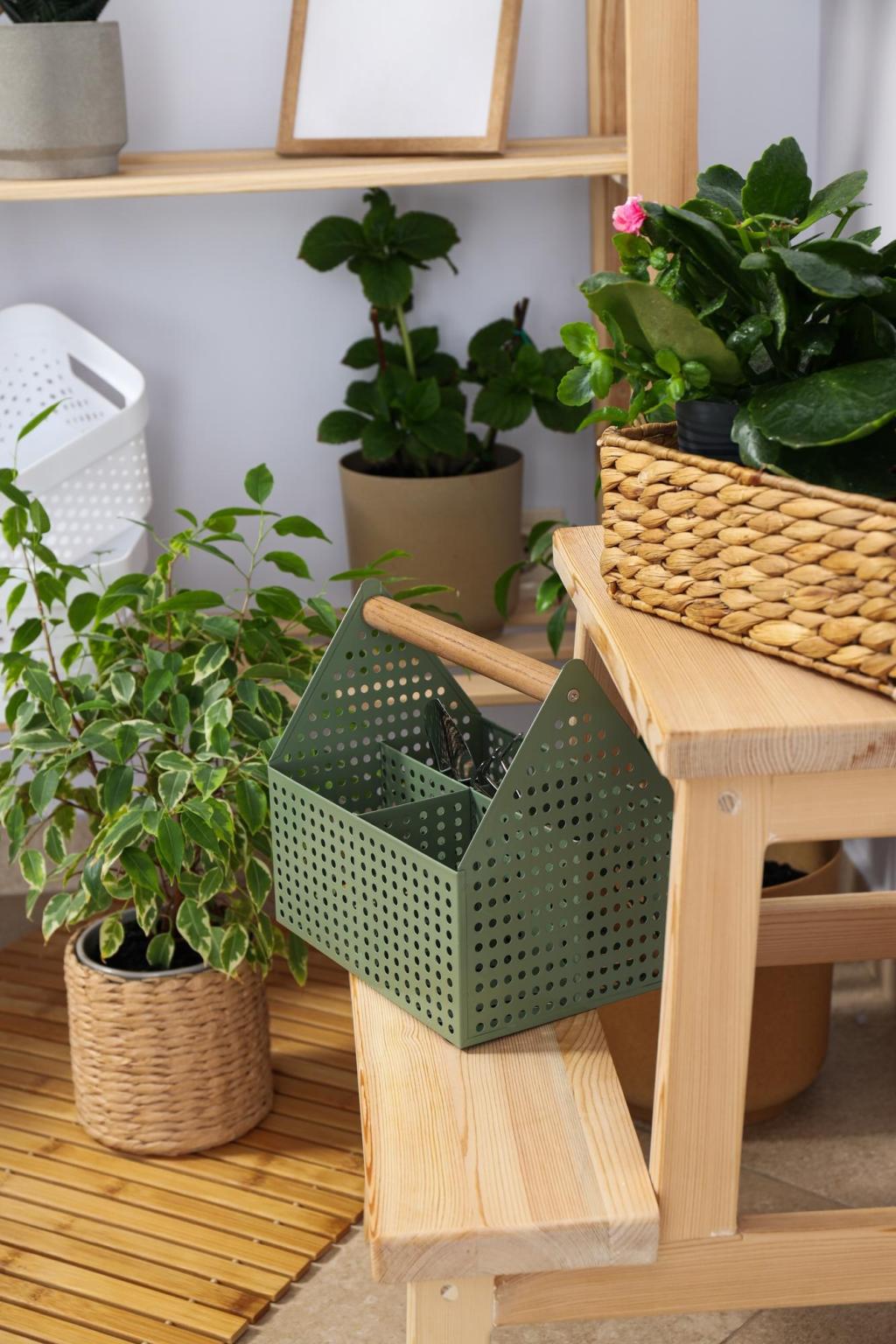
Today’s theme: Eco-Friendly Innovations: Biodegradable Furniture Materials. Explore how designers, makers, and mindful homes are turning renewable fibers, fungi, and plant-based polymers into beautiful pieces that live well, last responsibly, and return gently to the earth.
What Biodegradability Really Means in Furniture
Some plant-based materials biodegrade only in industrial composting facilities with managed heat and microbes, while others break down in home bins. Always check manufacturer guidance, local infrastructure, and timing expectations before purchase, and ask your community compost program what they can accept.
Material Spotlight: Mycelium, Plant Polymers, and Natural Fibers
Mycelium—the root structure of fungi—binds plant waste into lightweight forms that cure into surprisingly sturdy panels. Ideal for shells, acoustic panels, and occasional tables, mycelium shines when paired with reversible joinery. Keep it dry in daily use and embrace gentle finishes that preserve its breathable surface.
Designing for Strength, Beauty, and a Graceful Goodbye
Choose dowels, bolts, and snap-fit joinery that come apart with simple tools. Minimizing permanent adhesives preserves material purity, reduces repair time, and keeps components ready for composting or reuse. If you love tinkering, let designers know—user-friendly disassembly is a powerful feedback driver.
Designing for Strength, Beauty, and a Graceful Goodbye
Seat shells, legs, and armrests can be replaced independently, extending useful life with minimal waste. Makers who sell spare parts build trust and reduce environmental impact. If you’ve repaired a piece at home, share your experience in the comments and help others keep furniture out of landfills.
Certifications, Labels, and the Questions That Matter
Look for OK compost or equivalent marks, Cradle to Cradle certification, and clear statements about industrial vs. home compostability. FSC for wood sources still matters when blended with bioresins. Treat labels as starting points, then verify compatibility of every layer: fibers, glues, finishes, and hardware.
Request a materials breakdown, binder type, and finish composition, plus disassembly instructions. Ask whether parts are replaceable, and if a take-back program exists. If the brand can’t answer, that’s your signal. Comment below with responses you receive; we’ll compile findings to help the whole community.
Biodegradable isn’t automatically low-impact. Consider transport, durability, and cleaning needs. A well-made piece that lasts a decade can outperform short-lived items. We’ll publish simple calculators—subscribe to get them first and share data from your home trials to improve our assumptions together.
Everyday care for natural surfaces
Dust with soft cloths, avoid soaking, and use mild, plant-based cleaners. Place coasters under hot mugs and wipe spills promptly. Sunlight can warm patina; rotate pieces to even exposure. Share your maintenance rituals in the comments—we’ll feature practical tips from readers in our monthly roundup.
Remove hardware for reuse, separate components, and consult your local composting facility about acceptance. For home composting, shred parts appropriately and balance carbon-to-nitrogen ratios. If facilities are unavailable, ask the maker about take-back options. Document your process and inspire others by posting your experience.
A designer grew bench shells in reusable molds, then paired them with bolted ash legs. Early prototypes sagged in humid weeks, but ventilation tweaks solved it. The studio now offers repair kits and a composting guide. Comment if you’d like us to interview the team and share their templates.
Makers, Labs, and Real-World Pilots
Students tested bagasse board desks sealed with plant oils. After a year, surfaces showed warm wear rather than peeling. End-of-term, panels were swapped and composted through a municipal partner. We’re collecting before-and-after data—subscribe to see the full report and request the material spec sheet.